October 17, 2026 - February 13, 2027
October 17, 2026 - March 27, 2027
October 17, 2026 - March 27, 2027
October 17, 2026 - March 27, 2027
July 18, 2026 - January 2, 2027
Ongoing
Ongoing
July 18 – September 19, 2026
June 5, 2026 – September 19, 2026
January 16, 2026 through June 27, 2026
April 18, 2026 - June 27, 2026
October 17, 2025 - February 14, 2026
June 5, 2025 - September 27, 2025
January 17, 2026 – June 27, 2026
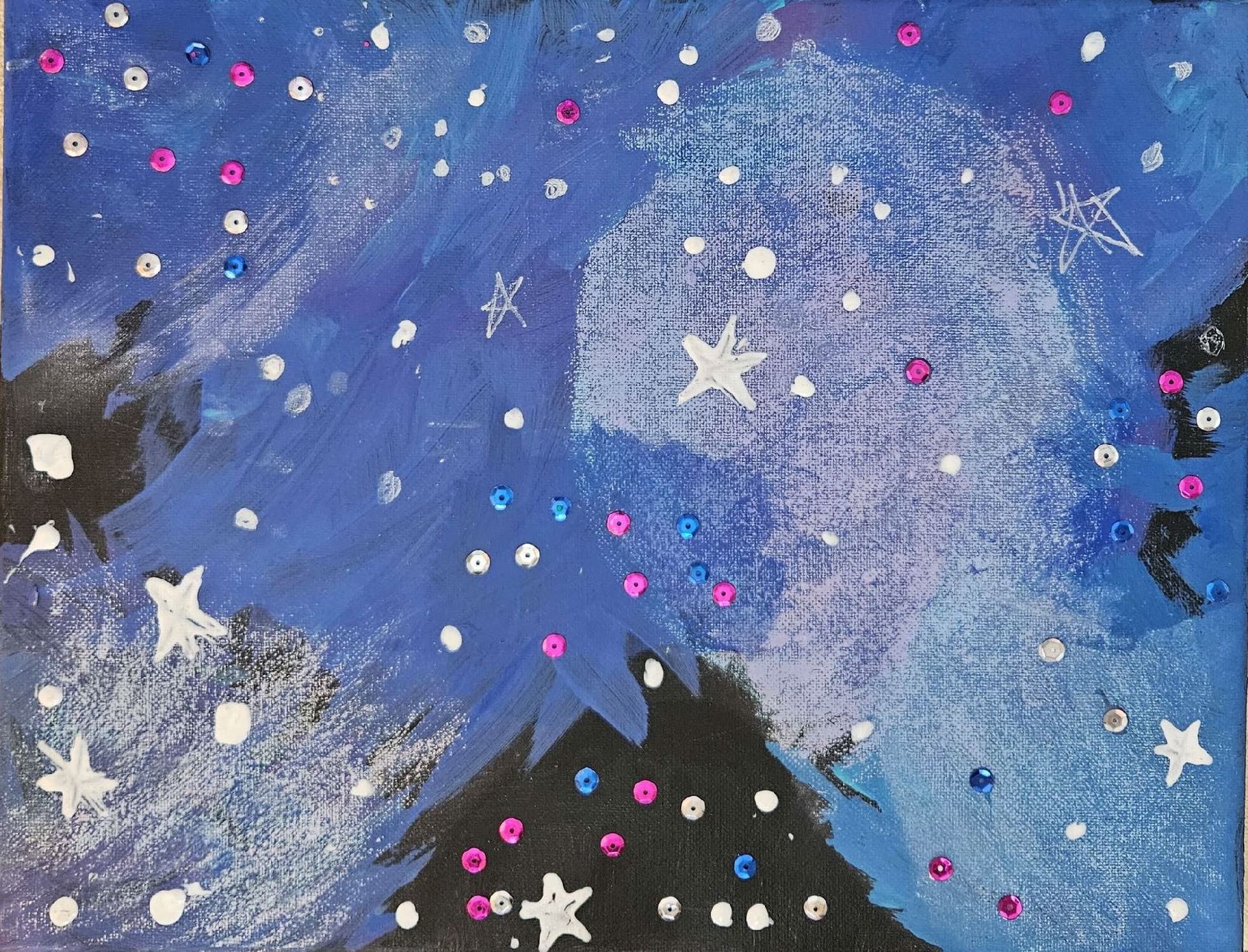
April 10 - May 23, 2026
For over a decade, WMA has hosted the
Helen Keller Art Show of Alabama
, an exhibition of work created by Alabama students with visual impairments, blindness, and deafness. The exhibition is juried statewide and travels from Birmingham to Mobile. Select pieces are also shown internationally. The
Helen Keller Art Show of Alabama
emphasizes creativity, color, and tactile media in the arts. The winning entry for the grand prize is selected by the Helen Keller Festival Board to receive the Patty Johnson Award, and will remain in the permanent collection at Ivy Green in Tuscumbia, Alabama, the birthplace of Helen Keller.
Don’t miss your chance to view these unique works by a group of courageous and talented students.
The Helen Keller Art Show of Alabama
will be on view from April 10th through May 23rd in the Coleman Gallery.
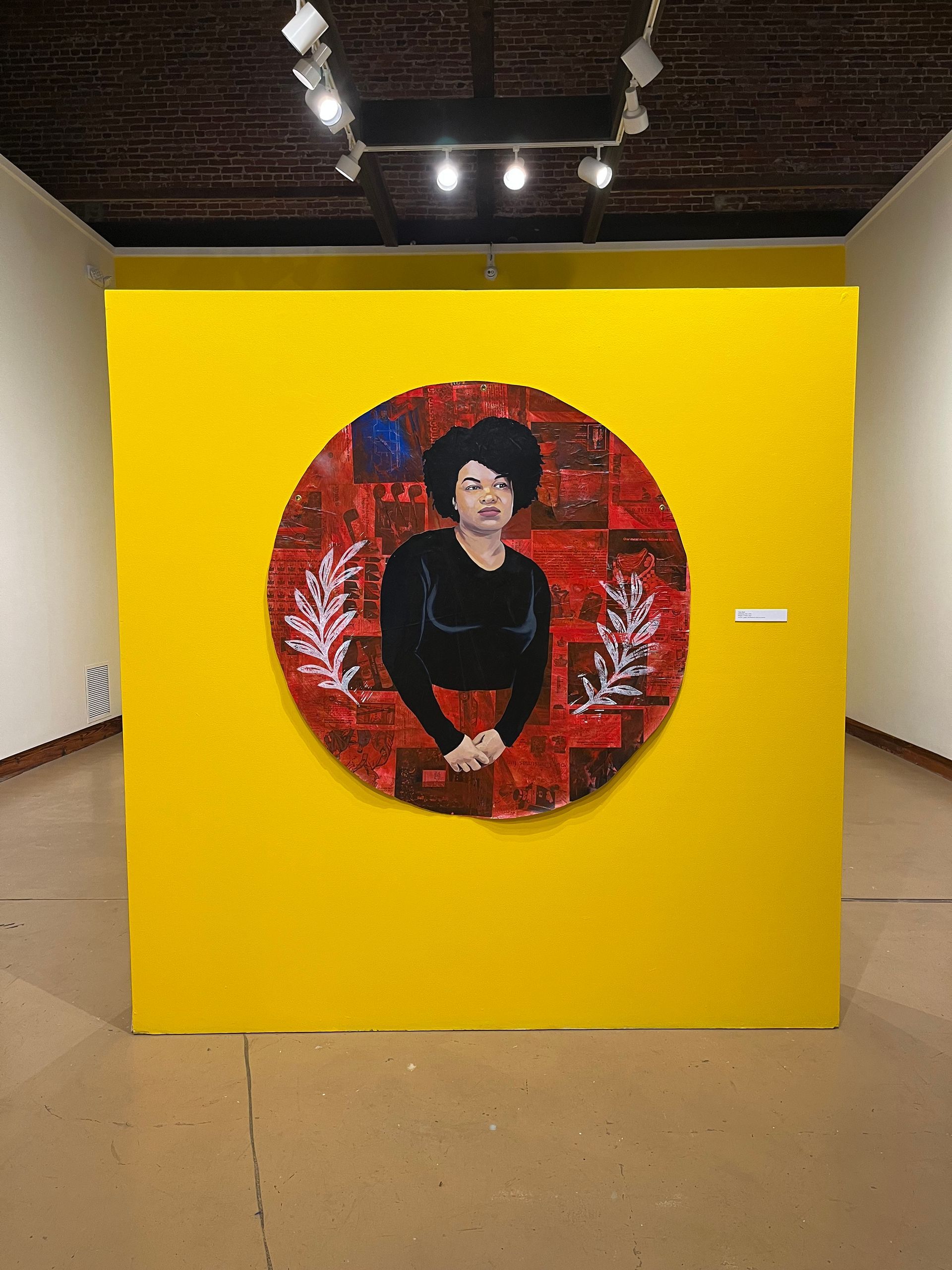
July 18 - September 27, 2025
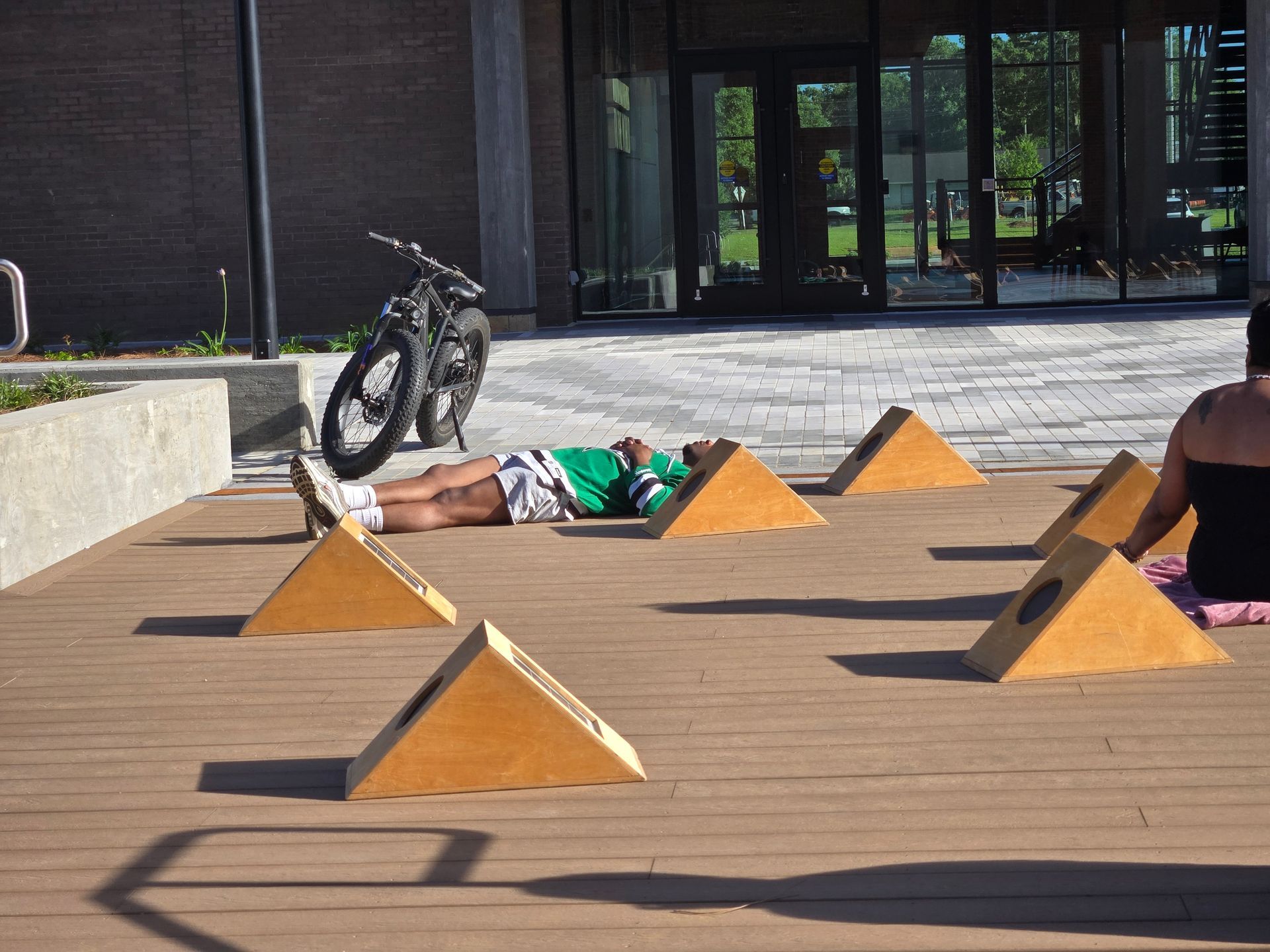
May 14
Sun Boxes
is an immersive outdoor sound installation by contemporary artist Craig Colorusso. Installed on May 14 and running throughout the day, the work invites visitors to step into a tranquil sonic environment designed for wandering, pausing, and reflection. The installation features twenty speakers powered entirely by solar panels, each playing a continuous loop of a single guitar note. Together, these notes form a B♭ chord that slowly evolves as the loops—each a different length—overlap and shift over time. Often described as both soothing and energizing,
Sun Boxes
encourages participants to slow down, listen closely, and experience the subtle changes in sound as the composition unfolds. A special live performance by the artist will accompany the installation from 4:30–6:30 p.m. inside the museum galleries.
Colorusso is known for creating immersive sound sculptures and installations that blur the boundaries between art, environment, and experience. Inspired by his early career as a touring punk rock musician, his work explores how sound can shape our perception of space and bring people together. Often installed outdoors and powered by sustainable technologies, his pieces invite audiences to engage with art in natural settings while becoming more aware of their surroundings. Colorusso’s work has been presented internationally and exhibited at major institutions including Crystal Bridges Museum of American Art, MASS MoCA, the Anchorage Museum, and the deCordova Sculpture Park and Museum.
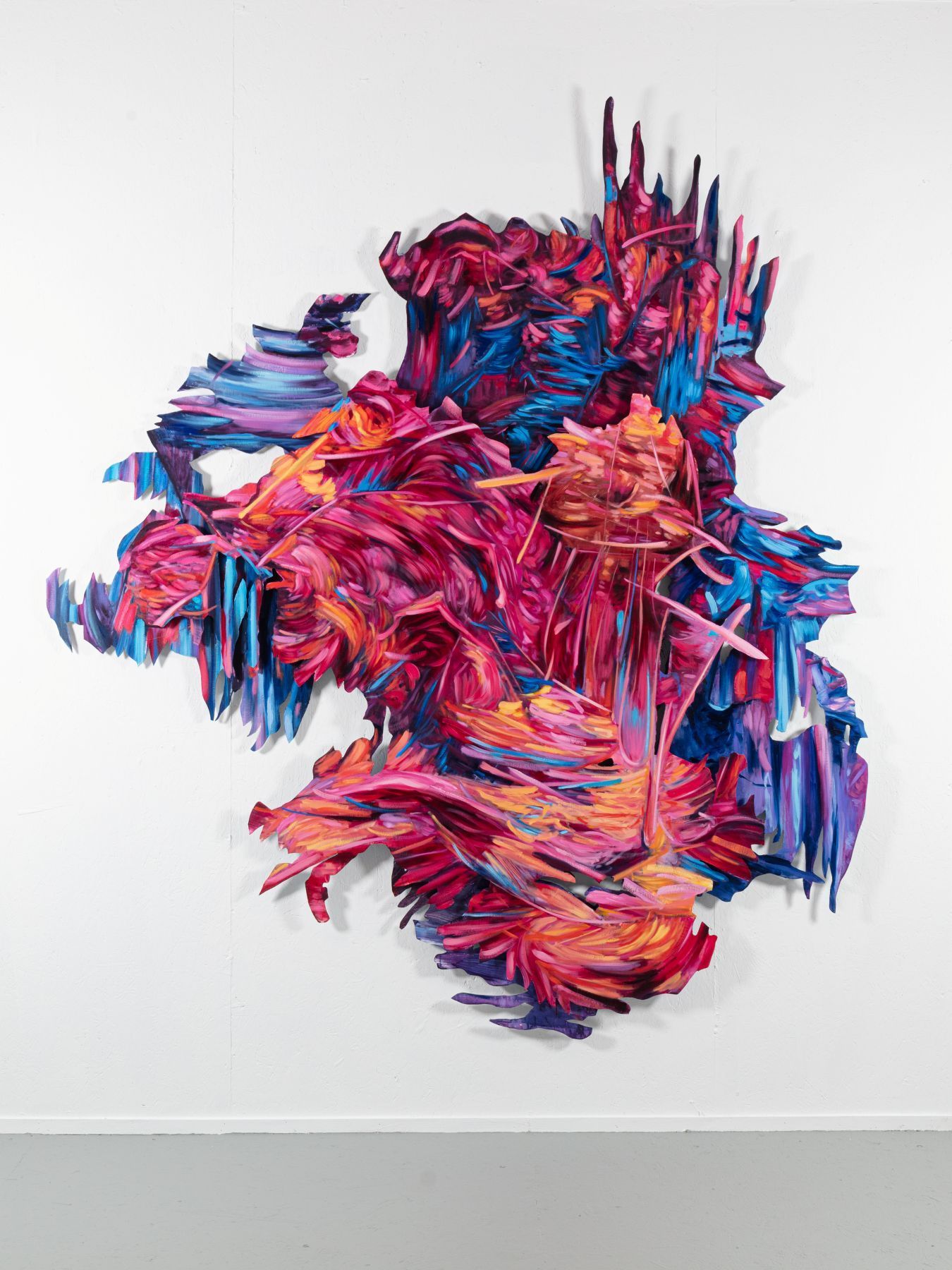
October 17, 2025 - December 29, 2025
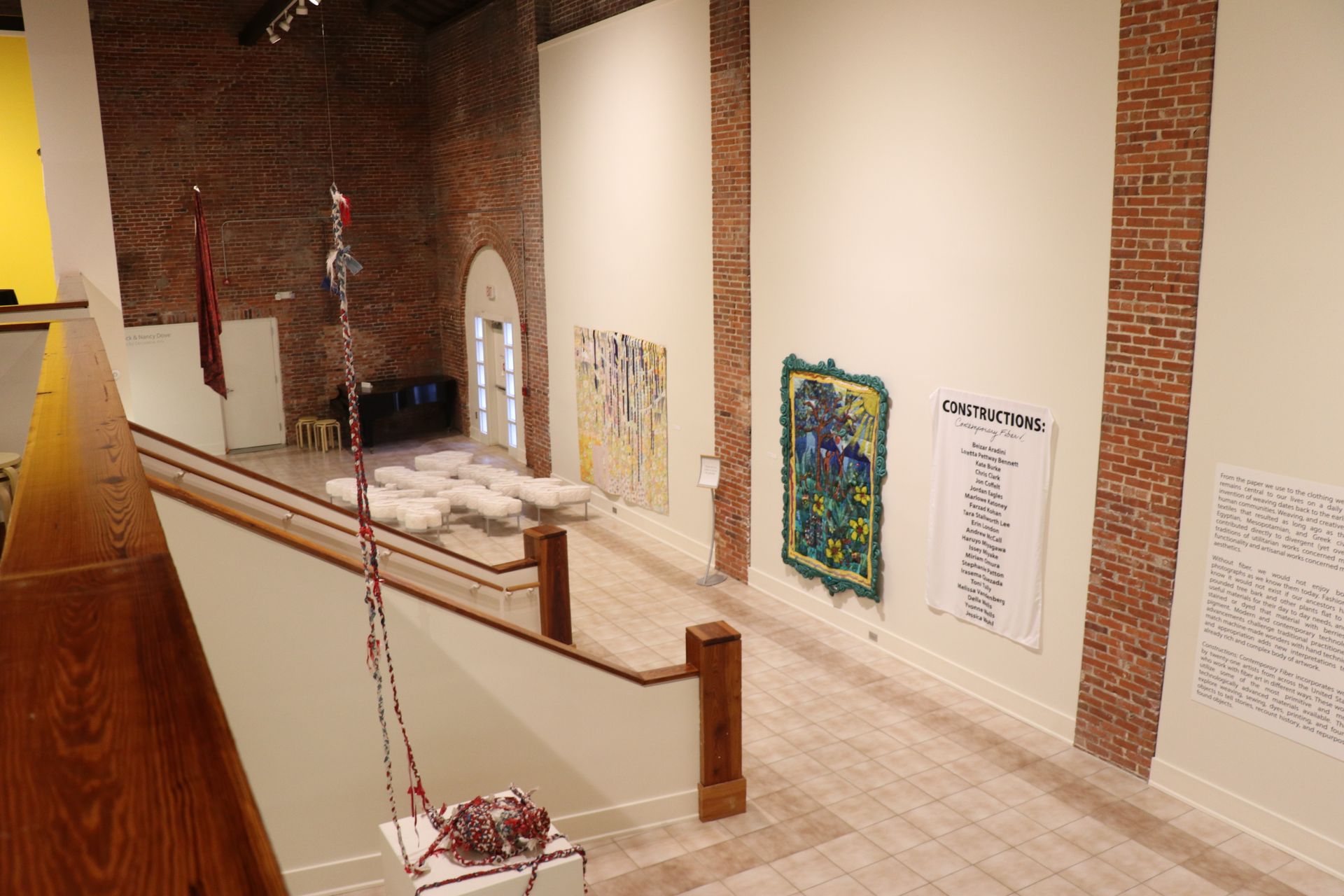
July 17-December 27, 2025
From the paper we use to the clothing we wear, fiber remains central to our lives on a daily basis. The invention of weaving dates back to the earliest known human communities. Weaving, and creative use of the textiles that resulted as long ago as the ancient Egyptian, Mesopotamian, and Greek civilizations, contributed directly to divergent (yet overlapping) traditions of utilitarian works concerned more with functionality and artisanal works concerned more with aesthetics.
Without fiber, we would not enjoy books or photographs as we know them today. Fashion as we know it would not exist if our ancestors had not pounded tree bark and other plants flat to create useful materials for their day to day needs, and later stained or dyed that material with berries and pigment. Modern and contemporary technological advancements challenge traditional practitioners to match machine-made wonders with hand techniques, and appropriation adds new interpretations to an already rich and complex body of artwork.
Constructions: Contemporary Fiber
incorporates works by twenty artists from across the United States who work with fiber art in different ways. These works utilize some of the most primitive and most technologically advanced materials available. They explore weaving, sewing, dyes, printing, and found objects to tell stories, recount history, and repurpose found objects.
“Constructions” is funded in part by a grant from the Alabama Humanities Alliance.